

The quick version
A well-maintained Subaru engine will typically last between 250,000 and 400,000 kilometres. In Australia, where long-distance highway driving is common, reaching the higher end of that range is a regular outcome for many owners.
How long a Subaru engine lasts comes down to three factors: maintenance discipline, driving habits, and using the correct fluids.
Subarus are popular in regional Australia for a reason. In areas where the nearest town might be 200 km away, and annual driving easily reaches 30,000 km, reliability matters. Owners across WA’s farming regions, coastal towns, and remote worksites regularly push Foresters and Outbacks well beyond 250,000 km.
Engine lifespan is not a fixed number. It varies by model, driving conditions, and service history. What stays consistent is the pattern. It varies by model, driving conditions, and service history. What stays consistent is the pattern. Well-maintained vehicles last, while poorly maintained ones don’t, which is really what answers the question of ‘how long does a Subaru engine last?’ This guide breaks down what actually affects Subaru engine life, the common issues to know, and how to get the most out of it.
What actually affects how long a Subaru engine lasts
No engine lives in a vacuum. The figure you’ll find consistently across Australian owner forums — 250,000 to 400,000+ km — assumes an owner who follows the service schedule, uses the correct oil, and doesn’t ignore warning lights. Change any of those variables and the outcome changes with them.
Oil changes are the single biggest variable
Subaru’s Boxer engines use a horizontally opposed layout. The pistons move side to side rather than up and down, which lowers the centre of gravity and supports the balance of the Symmetrical AWD system.
This layout also affects how oil moves through the engine, particularly at start-up. Fresh, correctly specified oil is critical. Extending oil change intervals or using the wrong grade increases internal wear. By the time symptoms appear, that wear has already progressed.
Cooling system condition matters
Heat is one of the fastest ways to shorten engine life. Perth conditions make this more relevant than most places. Long drives and high summer temperatures place constant demand on the cooling system.
Engines that run hot repeatedly are more likely to develop issues over time. Maintaining coolant levels and condition is simple, but often overlooked. It is one of the most effective ways to protect the engine long-term.
Driving style has a bigger impact on turbo engines
The WRX uses a 2.4-litre FA24 turbocharged Boxer engine. It is designed for performance, but operating habits still matter.
Applying heavy load before the engine reaches operating temperature, or shutting it down immediately after sustained driving, increases wear on turbo components. Consistent habits make a noticeable difference over time.
Short trips create more wear than expected
Short-distance driving places more stress on an engine than steady highway use. The engine spends more time below optimal temperature, where lubrication is less effective.
For drivers doing mostly short trips around Perth, occasional longer drives help maintain engine condition. It allows the engine to reach and sustain proper operating temperature.

Are Subaru engines reliable?
When maintained correctly, Subaru engines are comparable to the most reliable Japanese alternatives.
Older EJ-series engines shaped part of Subaru’s reputation, along with the fact that many Subaru owners use their vehicles heavily. High-kilometre driving is common, especially in regional WA. That produces more real-world data and more visible issues than brands used primarily for short urban trips.
Current engines are more refined. The FA24, FB25, and FA25 used across the WRX, Forester, and Outback are better engineered and more consistent over time. Timing chains have replaced older belt-driven systems, reducing maintenance complexity and improving durability.
Many Australian owners reach 300,000 km without major engine work. Higher figures are achievable with consistent servicing. Service intervals on newer models are also more manageable, typically every 12 months or 15,000 km.
Compared to vehicles like the Toyota RAV4 or Mazda CX-5, Subaru sits in the same reliability tier. Standard Symmetrical AWD across the range contributes to long-term durability. The drivetrain is designed as a complete system, which helps reduce uneven wear over time.

Common Subaru engine issues worth knowing about
Being clear about known issues builds trust. Here is what matters.
EJ-series head gasket issues
The most widely known issue relates to EJ-series engines used from the late 1990s to the mid-2010s. Some variants developed external head gasket leaks, where oil or coolant would seep out over time.
This was more common in vehicles that ran hot or had inconsistent coolant maintenance. A pre-purchase inspection for vehicles from this era should include a specific check for this issue.
Current models use newer engine designs that do not share this vulnerability. The issue belongs to older generations.
Oil consumption in some FA and FB engines
Some FA and FB engines show higher oil consumption, particularly at higher mileage or with inconsistent servicing. Worn piston rings are usually the cause, often linked to delayed oil changes.
Regular oil checks between services help identify changes early and prevent larger problems.
Turbo engines require correct maintenance
Turbocharged Subaru engines are sensitive to oil quality and service intervals. The WRX requires 0W-20 fully synthetic oil that meets API SN or ILSAC GF-6A standards.
Using incorrect oil or extending service intervals reduces turbo lifespan. Owners who follow the correct specifications tend to see strong long-term performance.
Electric models follow a different pattern
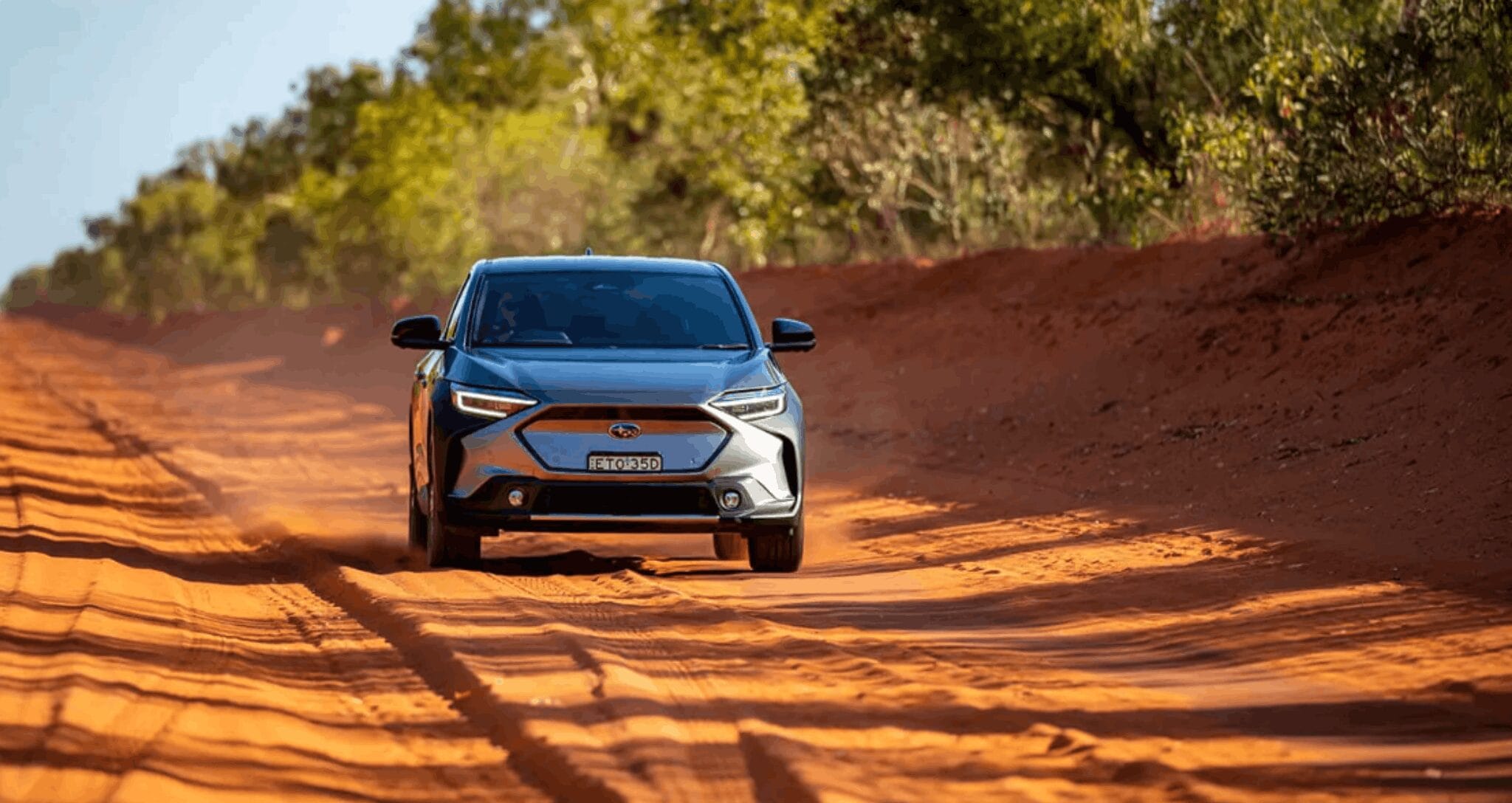
The Solterra removes traditional engine concerns. There is no oil, no spark plugs, and no combustion wear.
Battery health becomes the primary long-term consideration. Subaru Australia supports this with an 8-year or 160,000 km battery warranty.
What the numbers actually look like
Real-world ownership gives a clearer picture than theory.
A Forester driven 15,000 km per year and serviced on schedule will reach 150,000 km in ten years. At that point, the engine is often only halfway through its working life, with the original drivetrain still performing well.
In regional WA, where annual distances can reach 25,000 to 30,000 km, Outbacks and Foresters regularly exceed 300,000 km before major engine work is required. Consistent servicing is a common factor in these cases.
A different outcome appears in vehicles with poor maintenance. A WRX running extended oil intervals with conventional oil often shows oil consumption and turbo wear by 100,000 km. The difference comes from maintenance, not the engine itself.
How to make your Subaru engine last longer
Most of this comes down to consistency rather than cost.
Service the vehicle on schedule
For Forester and Outback 2.5L models, this means every 12 months or 12,500 km. For WRX, BRZ, Crosstrek, and Impreza, it is typically every 12 months or 15,000 km. Harsh conditions such as towing, off-road use, or extreme heat justify shorter intervals.
Use the correct oil for your engine
This is especially important for turbocharged models. The owner’s manual provides the correct specification and should be followed.
Maintain the cooling system
Fresh coolant helps regulate temperature and prevents internal corrosion. Regular checks and scheduled flushes protect the engine over time.
Let the engine warm up before heavy use
This matters most for turbo engines, where proper oil circulation is critical before applying load.
Check oil levels between services
This simple habit helps identify issues early and prevents more serious damage.
Use technicians familiar with Subaru engines
The Boxer layout has its own characteristics, and experience with the platform helps identify early signs of wear.
Frequently asked questions
Q. How long does a Subaru engine last?
A. A properly maintained Subaru engine typically lasts between 250,000 and 400,000 kilometres. Many Australian drivers reach the higher end of that range with consistent servicing.
Q. Does driving style affect engine lifespan?
A. Yes. Long highway driving is generally easier on an engine than repeated short trips. Towing, off-road use, and high temperatures all increase wear.
Q. Is a high-kilometre Subaru worth buying?
A. Service history matters more than the odometer. A well-maintained vehicle with higher kilometres can be a better choice than a lower-kilometre vehicle with poor history.
Q. Are newer Subaru engines more reliable?
A. Current engines are more refined and do not carry some of the known issues found in older generations. Overall reliability has improved.
Q. Does the Boxer engine design affect longevity?
A. The layout improves balance and integration with AWD. It also means oil behaviour at start-up differs from inline engines, making correct oil use more important.
Q. Does premium fuel extend engine life?
A. No. Subaru petrol engines are designed for 91 RON fuel. Higher octane fuel does not improve longevity in engines not designed for it.

Want to know exactly what your Subaru needs to go the distance?
Long engine life comes down to consistent servicing and correct maintenance. That’s what ultimately determines how long a Subaru engine lasts in the real world.
Perth City Subaru’s factory-trained technicians work with these engines every day. They know the correct specifications, the service intervals that matter, and the early warning signs to look for before small issues turn into expensive ones.
If you’re considering a Subaru or want a clear picture of long-term ownership, book a test drive in Perth or speak with our team. You’ll get practical advice based on real WA driving conditions, not guesswork.