
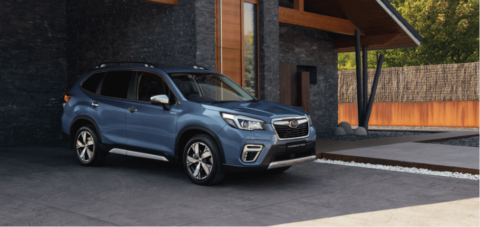
Deciding on the right SUV can leave even experienced buyers scratching their heads. The Subaru Forester and Toyota RAV4 both have loyal followings and solid reputations, but things like comfort, off-road capability, tech, towing and overall value can make one stand out as the perfect match for your lifestyle.
In 2026, both SUVs have evolved, with refreshed features, updated powertrains and smarter technology. Comparing the Subaru Forester vs Toyota RAV4 in detail is key to making a confident choice. We’re here to break down the major differences so you can see which SUV fits your needs, adventures and everyday life.
Comparing the numbers: Subaru Forester vs Toyota RAV4
When it comes to choosing between two of Australia’s favourite mid‑size SUVs, the details make all the difference. From engine options and towing capacity to off‑road readiness and cabin space, here’s a clear side‑by‑side look at what each vehicle brings to the table in 2026.
| Feature | Subaru Forester 2026 | Toyota RAV4 2026 |
| Engine options | 2.5L petrol boxer & hybrid e‑Boxer available | 2.5L hybrid standard; PHEV available |
| AWD availability | Standard on all models | AWD available on most trims (extra cost on some) |
| Price | Competitive across trims, good value | Broad range, hybrid standard; pricing variable |
| Towing capacity | Up to ~1800 kg (braked) | Varies by powertrain and drivetrain |
| Off‑road capability | X‑Mode standard, rugged tuning | AWD trims capable, but less rugged than Forester |
| Interior space | Balanced cabin and generous cargo space | Spacious, slightly different layout |
| Technology | 11.6” touchscreen, wireless Apple CarPlay & Android Auto | Strong tech suite including 10.5”/12.3” screens depending on trim |
| Safety features | Subaru EyeSight; X‑Mode driving tech | Toyota Safety Sense with hybrid integration |
| Fuel economy | Petrol and hybrid options – balance of efficiency and AWD | Hybrid powertrain delivers strong efficiency |
| Ground clearance | ~220mm standard (more on Wilderness) | Slightly lower (varies by trim) |
Comfort and space wherever you go
One thing both SUVs have in common is a focus on space and practicality. But they achieve it in slightly different ways.
The Subaru Forester
The Subaru Forester has always emphasised a balanced interior with generous passenger room and a large cargo area. Its fold‑down rear seats make it easy to load big items, and its high rooflines mean rear passengers feel less cramped.
The latest Forester takes this even further with a sizeable 11.6‑inch portrait touchscreen, wireless phone charging and smart storage solutions, all designed for everyday life and weekend adventures alike.
The Toyota RAV4
The Toyota RAV4’s interior is equally roomy, with a versatile cargo area and multiple trim options that add premium touches and tech features. Higher trims include large infotainment displays and digital instrument clusters, and hybrid powertrains help keep running costs lower on longer drives.
To sum it up, both cars offer strong everyday usability, but the Forester’s cabin leans toward practicality and ease‑of‑use, while the RAV4 skews slightly more towards tech‑rich comfort.
All‑Wheel Drive and Off‑Road Readiness
For drivers who want more than just SUV styling, capability matters. Here’s how the Forester and RAV4 stack up when it comes to traction and getting off the beaten track.
Subaru Forester
In 2026, Symmetrical All‑Wheel Drive is standard on every Forester, so that traction and stability come as part of the package.
X‑Mode terrain selectors fine‑tune engine, transmission and braking for mud, snow and rough surfaces. This makes it an outstanding vehicle for Aussie weekend adventures. The Forester’s balanced chassis and standard AWD also make light trails and unsealed roads feel completely controlled and confidence-inspiring.
Toyota RAV4
AWD is available on many RAV4 trims, particularly hybrid and plug-in hybrid models. But it’s important to note that it isn’t standard across the range. Depending on the configuration, buyers may pay extra for full-time traction.
That’s why, while very capable on urban and some rural roads, the RAV4’s off-road confidence and versatility don’t quite match the Forester when the terrain gets rough.
Price-tag and value: What you get for your money
When it comes to SUVs, price isn’t only a number. It’s what you actually get for your money. Here’s how the 2026 Forester and RAV4 compare in value, features and flexibility.
Subaru Forester
The 2026 Forester offers competitive pricing across the lineup, with a wide array of standard features including advanced safety tech, driver assists and a comfortable interior. And this all comes with AWD included!
Optional extras like roof racks and bike carriers let you tailor the SUV to your lifestyle without breaking the bank. This makes the Forester a practical and capable choice right out of the gate.
Toyota RAV4
The 2026 RAV4 now comes with hybrid power as standard, boosting efficiency for most buyers. AWD is available on higher trims, but depending on the configuration, getting your preferred combination of features and driveline can add to the cost. While still a solid option, some buyers may need to stretch the budget to match the Forester’s standard capabilities.
Technology: Comfort and connectivity on the go
Modern SUVs aren’t just about space and capability. Staying connected and comfortable matters too. Both the 2026 Forester and RAV4 pack plenty of tech, but they take slightly different approaches.
Subaru Forester
The 2026 Forester keeps drivers and passengers well connected with an 11.6‑inch touchscreen, wireless Apple CarPlay and Android Auto, and wireless phone charging.
Subaru’s latest EyeSight driver assist system is standard across the range, offering adaptive cruise control, lane‑keep assist and pre‑collision braking. This combination ensures comfort, convenience and safety without overwhelming the driver.
Toyota RAV4
The RAV4 counters with a tech-forward cabin featuring touchscreen options up to 12.3 inches, digital driver displays, multiple USB‑C ports, and the full Toyota Safety Sense suite.
Passengers stay entertained and drivers informed, and this is what makes the Rav4 a strong choice for those who prioritise cutting-edge digital features and expansive connectivity.
Towing capacity and utility
Beyond comfort and tech, SUVs are often judged on their practicality. And this is especially true when it comes to towing and carrying gear. Here’s how the Forester and RAV4 measure up.
Subaru Forester
Ready for your next getaway or weekend project, the Forester can tow up to 1,800 kg on select trims. Pair that with generous cargo space and standard AWD, and you’ve got an SUV that adapts effortlessly to both adventure and everyday tasks.
Toyota RAV4
The RAV4’s hybrid-based powertrain also handles towing, but it typically offers lower braked towing capacity, particularly in non‑AWD trims. Largely for this reason, although the Rav4 is still capable of managing light loads, buyers planning frequent towing may find the Forester better suited to their needs.
Safety: Confidence on every road
Safety is a top priority in both SUVs, but the design and technology choices can influence how confident you feel behind the wheel.
Subaru Forester
The Forester is designed to give you confidence behind the wheel, with large windows and thoughtfully placed sightlines that keep the road in clear view.
Its Standard EyeSight technology adds a whole new layer of peace of mind, with adaptive cruise control, lane-keep assist and pre-collision braking, helping you stay alert and protected wherever your journey takes you.
Toyota RAV4
Toyota’s Safety Sense offers a similar suite of features, helping you monitor traffic, stay centred in your lane and avoid collisions. Ultimately, choosing between them comes down to personal preference. That is, how the cabin feels, the view from the driver’s seat, and which system fits your daily driving style best.
Still deciding between the Forester and RAV4?
Comparing features is helpful, but nothing replaces the moment you take it for a drive and feel it for yourself.
If the Subaru Forester’s standard AWD, balanced design and practical versatility sound like the right fit, the next step is simple. Come in and explore the 2026 range in person! Our team can walk you through the different trims, explain the petrol and hybrid options, and help you work out which model suits your lifestyle and budget.
Visit City Subaru to view our available Forester models or book a test drive today. The right SUV doesn’t just look good on paper; it feels right from the moment you drive it.
FAQs about Subaru Forester vs Toyota RAV4
Q1. Subaru Forester vs Toyota RAV4: Which SUV has better resale value in Australia?
A. Both the Forester and RAV4 hold their value well in the Australian market due to strong brand reputations and consistent demand. Toyota’s RAV4, particularly hybrid variants, often performs strongly in resale thanks to hybrid popularity.
However, Subaru’s loyal following and standard AWD across the Forester range also help maintain solid long-term value, especially for buyers prioritising capability and practicality.
Q2. How do the Forester and RAV4 handle long road trips?
A. Both are comfortable on the highway, but the Forester’s elevated ride, spacious interior, and balanced chassis make long drives easier on passengers and driver alike. Its AWD and X‑Mode add confidence when the route includes gravel, coastal roads, or rural detours.
The RAV4 delivers excellent fuel efficiency, especially in hybrid trims, which makes it appealing for primarily city or highway travel.
Q3. Are they both family-friendly vehicles?
A. Yes, both SUVs offer generous rear-seat space, advanced safety features and practical cabins. The Forester’s layout, large windows and ease of loading make it especially user-friendly for families with kids or active lifestyles. The RAV4 adds extra comfort and tech, which some families may prefer if premium touches are a priority.
Q4. Which SUV is more versatile for WA driving conditions?
A. Western Australia’s mix of city streets, winding coastal roads and regional tracks calls for adaptability. The Forester’s standard AWD, high ground clearance and X‑Mode make it especially suited to varied terrain, giving drivers confidence on both paved and unsealed roads.
The RAV4 performs well in urban and highway conditions, particularly in hybrid trims, but certain off-road or rural conditions may require careful trim selection to match the Forester’s all-terrain capability.